You have finished writing your novel?
Well, wait a moment. You finished the first draft! Now, we are talking! This is a great achievement, so take some time to celebrate it, savour it, because you did it and it’s not easy!
Writing a book is an emotional rollercoaster that requires discipline and loads of energy, mostly because once you are done with drafting and it’s time to start editing, self-doubt shows up like a performer to a party, ready to shoot comments and judgment, doing anything to keep your attention on itself.
I’ve been there, re-reading your own writing, cringing to the line you had thought was great at first, questioning if it’s even worth it… (Spoiler Alert: it is!)
The problem with editing the story you wrote is that you are still extremely attached to it, and you will forever be, you will never be able to look at it from a completely objective point of view (That’s when critique partners, beta readers and editors come into play).
When I started studying to become an editor, I learned a lot of things that turned out to be very useful to my writer self as well, and I wanted to share with you some simple, effective steps that will make self-edits a little bit less daunting.
- Take a break! Let your draft marinate for a bit, at least a couple of weeks. This will help you gain some distance from your story and allow you to see some things you couldn’t see before.
- Read it all, and take notes. Right now, don’t change anything, just take notes about what doesn’t feel right, or you have doubt about. And if you are unsure, just write it down and trust your judgment!
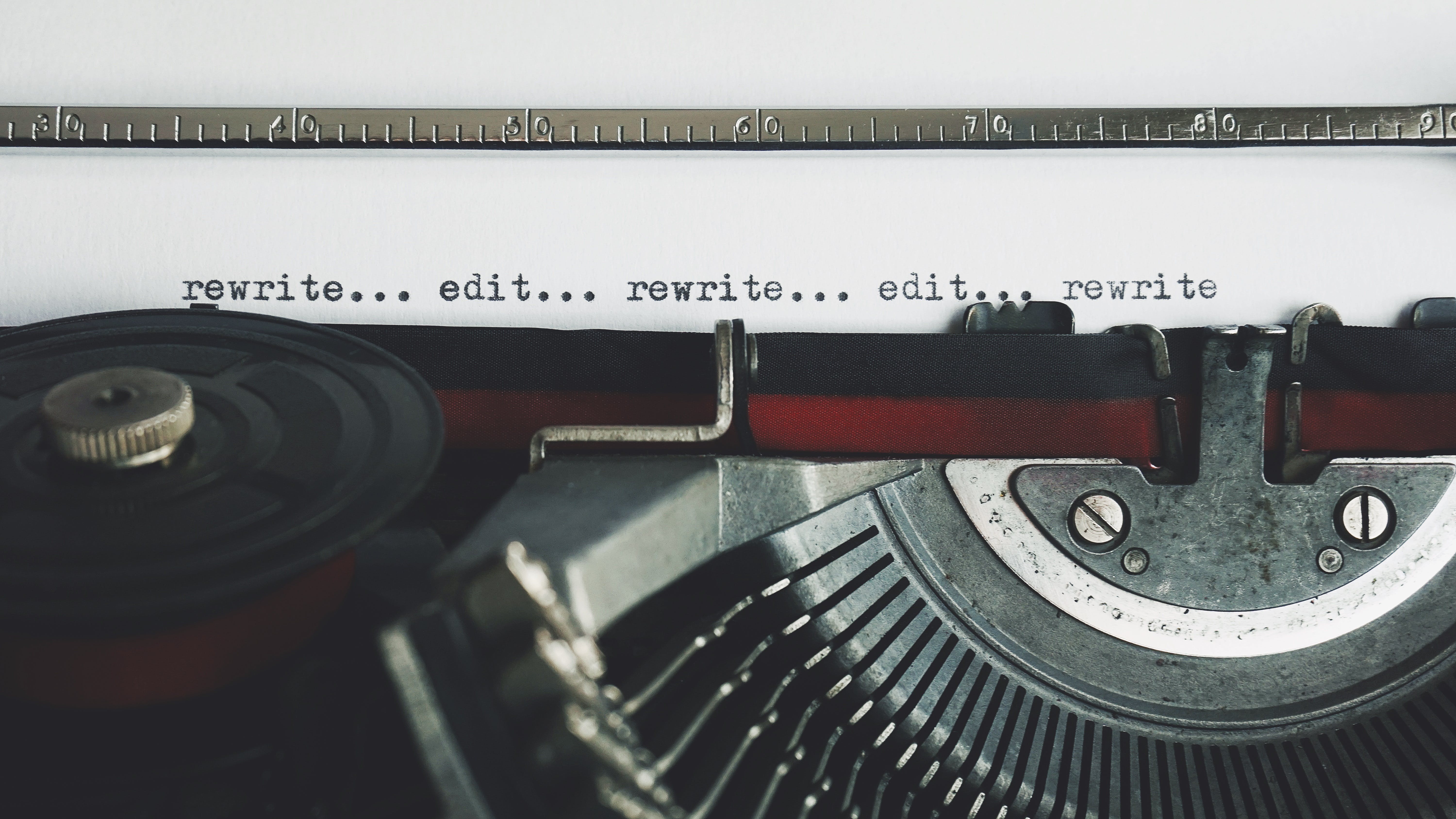
- Edit with clarity in mind. Your number one goal when editing has to be making sure that what existed in your head, and is now on paper, can be understood by someone who doesn’t live in your head. Keep clarity in mind when editing, because if your readers won’t understand what is happening, they won’t be able to fall in love with your story.
- Take breaks between drafts. There isn’t a right number of drafts you are supposed to go through, but no matter if it’s three or thirteen, take a break between each, give yourself at least a couple of weeks to create distance and allow yourself to gain some objectivity.
Lastly, if you still need some guidance and help, here’s my Self Edit Roadmap for fiction writers, a FREE guide to self-edits that prioritize clarity and will help you understand what to look for.
Editing doesn’t have to be overwhelming, nor hard, and it won’t be if you know exactly what to do. You got this, and remember: your readers are out there, waiting for your book.